
Get Started
Let's Talk About Your Transition
Whether you are in the early planning stages or already on the path toward regenerative production, our agrologists are here to support you with practical, science-based guidance.



Pacific Agriculture works with producers who want to move toward farming systems that build natural capital over time rather than drawing it down. Regenerative agriculture is not a single practice but a philosophy, and transitioning toward it requires careful agronomic management and a clear, realistic plan for your operation.
We provide practical, science-based guidance tailored to your specific soils, climate, and production goals. Our recommendations are built around your land and your operation, not adapted from other contexts, and our agrologists are here to provide the ongoing technical support that makes the transition productive and commercially viable.
Every regenerative transition starts from a different place. We meet you where you are and build a practical path forward from there.
Before any transition can be planned, we need a clear picture of your current soil health, management history, and production context. We gather the baseline information needed to design a realistic, site-specific program for your operation.
We develop a practical, operation-specific plan that sets out what changes to make, in what order, and what to expect along the way. Realistic sequencing and honest expectations are central to a transition that stays on track commercially as well as agronomically.
Soil health is at the centre of regenerative practice. We provide ongoing guidance on the management decisions that build biological activity, organic matter, and soil structure over time, tailored to your specific soils, climate, and cropping system.
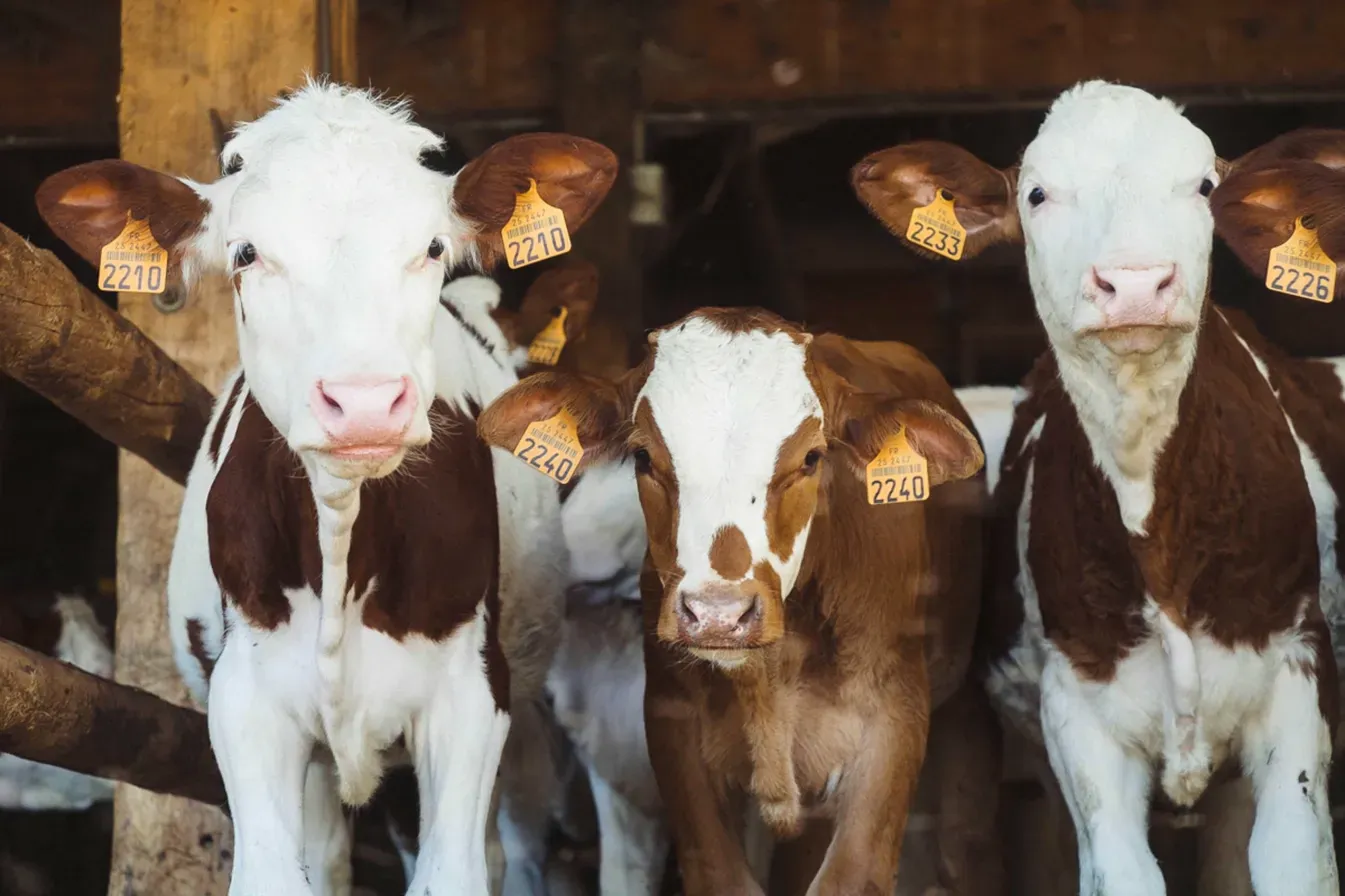
Where livestock are part of your operation, or where integration could be part of your transition, we advise on approaches that use animal impact constructively to build soil health and improve pasture and crop performance.
The years between starting a regenerative transition and seeing its full benefits are often the most agronomically demanding. We provide hands-on support during this period, helping you manage the risks and adapt your approach as your system evolves.
Regenerative transitions unfold over years, not seasons. We provide ongoing monitoring of soil health and system performance, and adapt your program as your land responds, so that every management decision continues to move your operation in the right direction.
Regenerative agriculture draws on a well-established body of agronomy, soil science, and ecology. The core principles, minimising soil disturbance, maintaining living roots, keeping the soil covered, maximising diversity, and integrating livestock, are supported by decades of research and a growing base of practical farm experience.
The challenge is applying these principles in a way that is economically viable and practically manageable within your specific operation. That requires careful agronomic planning, a realistic understanding of transition costs and timelines, and ongoing monitoring to ensure the approach is delivering results.
Working with a registered Professional Agrologist ensures that your regenerative transition is grounded in science, adapted to your specific soils and production system, and documented to a professional standard you can rely on.
Moving to regenerative practices without an agronomic plan risks yield loss, weed pressure, and financial exposure during the transition period. A structured plan reduces that risk substantially.
Baseline soil health measurements followed by regular monitoring allow you to demonstrate progress, adjust your approach, and build a defensible record of improvement over time.
Regenerative transitions involve upfront costs and a learning curve. Realistic cash flow planning, and a clear-eyed view of the transition period, are essential before you begin.
Whether you are in the early planning stages or already on the path toward regenerative production, our agrologists are here to support you with practical, science-based guidance.